
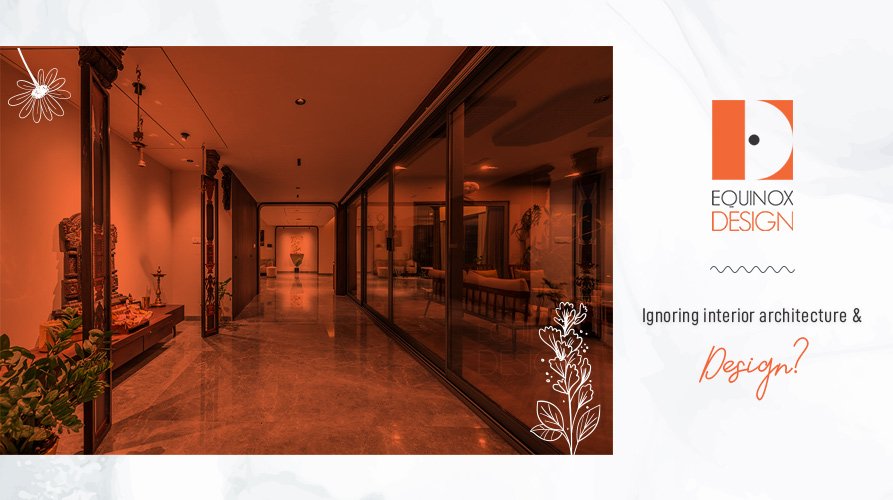
Modern homes today are visually impressive. Clean elevations, contemporary finishes, and carefully selected furniture create a strong first impression. However, the true test of a home begins after people start living in it. This is where many modern houses begin to fall short—not because of aesthetics, but because interior architecture and design was not planned with the same seriousness as construction.
Interior architecture and design is not an add-on. It is the framework that determines how a home functions, feels, and supports daily life.
The Gap Between Visual Design and Everyday Living
In many modern residential projects, design decisions are driven primarily by appearance. Floor plans are finalised quickly, and interior planning is expected to “adjust later.” While this approach may work visually, it often fails functionally.
Without interior architecture and design, spaces may look balanced on drawings but feel inefficient in real use. Circulation paths feel awkward, furniture placement becomes restrictive, and rooms do not respond naturally to daily routines. A modern home should simplify living, not require constant adjustment.
Space Planning Issues Caused by Poor Architectural Coordination
One of the most common outcomes of ignoring interior architecture and design is inefficient space utilisation. Homes may have adequate square footage, yet still feel cramped or impractical. This happens when room proportions, storage planning, and movement flow are not addressed early.
Interior architecture and design planning ensures that each space has a defined purpose and that transitions between rooms feel natural. When this planning is absent, design decisions are reactive rather than intentional.
Impact on Comfort, Light, and Ventilation
Comfort is rarely compromised intentionally, but it is often affected indirectly. Poor window placement, inadequate airflow, and overdependence on artificial lighting are frequent consequences of missing interior architectural input.
Interior architecture and design considers orientation, natural light paths, and ventilation strategies at the planning stage. These factors directly influence how comfortable a home feels throughout the day and across seasons, especially in modern residential environments.
The Financial Cost of Late Corrections
Many homeowners believe that design issues can be resolved after construction. In reality, late-stage changes often involve significant cost and disruption. Modifying layouts, breaking finished surfaces, or replacing built-in elements increases both expenses and project timelines.
Interior architecture and design before execution helps avoid such situations. Decisions made during planning are easier, more cost-effective, and far less stressful than post-construction corrections.
Lack of Design Direction and Visual Cohesion
When interior architecture and design is missing, interior styling often lacks a clear direction. Multiple materials, finishes, and design ideas are introduced without an underlying framework, resulting in spaces that feel visually cluttered rather than cohesive.
Interior architecture provides structure to design choices. It ensures that materials, proportions, and spatial relationships work together, creating a balanced and consistent environment throughout the home.
The Role of Interior Architecture and Design in Modern Homes
Interior architecture and design forms the backbone of a modern home. It integrates structural planning, lifestyle requirements, spatial flow, and technical coordination long before décor decisions are made. This approach allows design to evolve logically rather than emotionally.
Modern living demands efficiency, comfort, and adaptability. These qualities are achieved through architectural thinking applied to interior spaces, not through decoration alone.
When Should Interior Architecture and Design Be Planned?
Interior architecture and design should begin at the earliest stage of a project—during layout planning or construction design. This is when changes are flexible and decisions have the greatest long-term impact.
Early planning allows a home to be designed holistically rather than corrected later.
Conclusion
It is possible to build a modern home without interior architecture and design. However, such homes often struggle with functionality, comfort, and long-term satisfaction. A well-planned home does not rely on adjustments after completion; it supports daily life naturally from the beginning.
Interior architecture and design ensures that a modern home is not only visually appealing, but also practical, comfortable, and enduring.
Call to Action
If you are planning a modern residential project, interior architecture and design should be addressed from the start. Early planning helps avoid costly corrections and ensures your home functions as seamlessly as it looks.
FAQs
- What is interior architecture and design?
It focuses on spatial planning, functionality, circulation, and the relationship between structure and interior spaces. - Why is interior architecture and design important for modern homes?
Modern homes require efficient layouts, natural light optimisation, and functional flow, all of which depend on interior architecture. - Can interior design work without interior architecture and design?
While interiors may look appealing, functionality and comfort often suffer without architectural planning. - When should interior architecture and design be planned?
Ideally during the early planning or construction stage, before layouts and services are finalised. - Does interior architecture and design reduce future costs?
Yes. It minimises rework, layout errors, and expensive post-construction modifications.

