
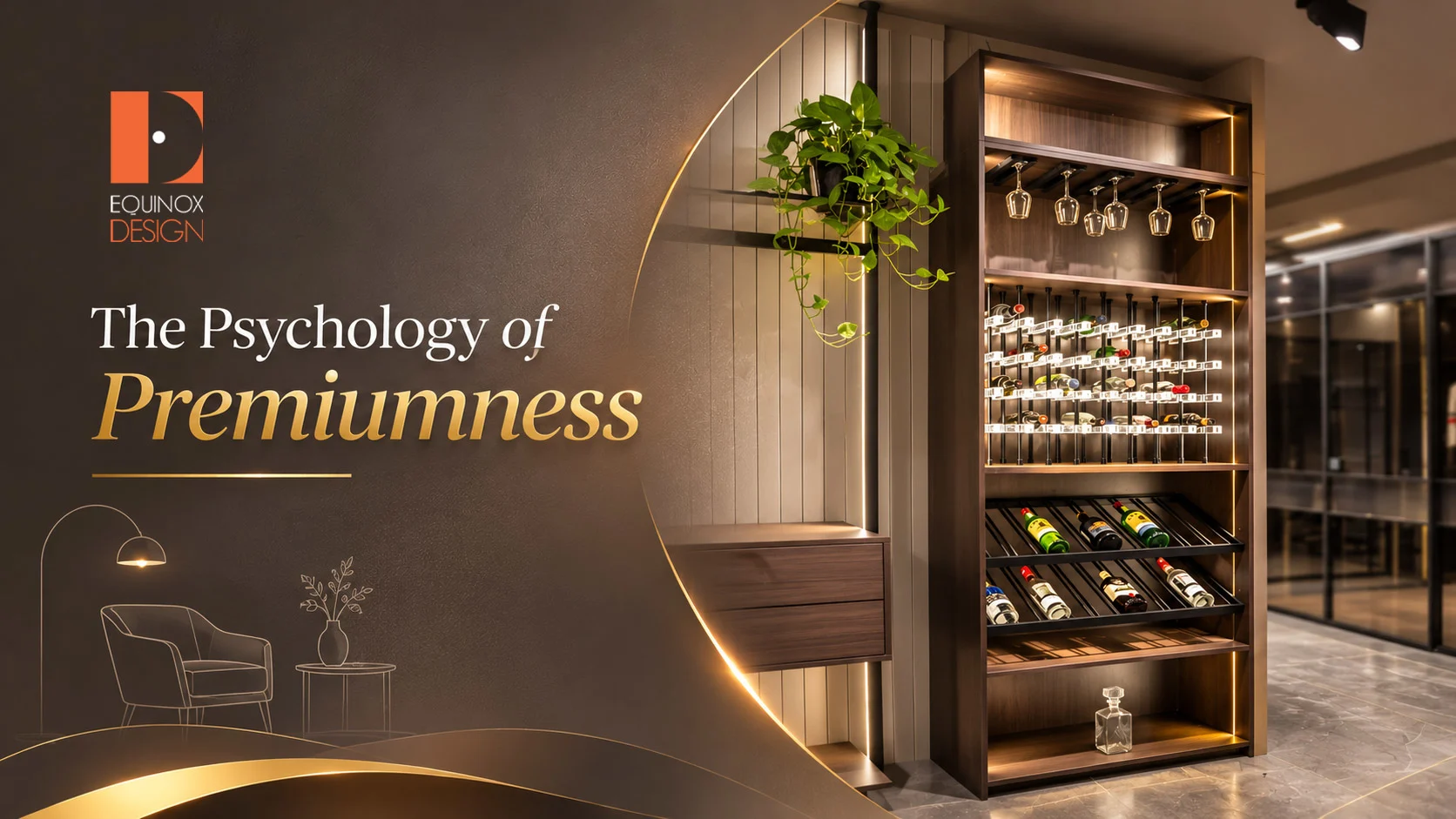
What makes a customer describe one showroom as premium while calling another ordinary?
Is it the products, the price or something less obvious? Often, the difference lies in how the space makes people feel.
Imagine visiting two showrooms offering similar products. In one, you feel comfortable exploring displays, comparing options and asking questions. In the other, you find it difficult to navigate the space and lose interest quickly. The products may be equally appealing, but the experience is different.
A showroom creates an impression of a brand before customers interact with its team. Its layout, lighting, materials and product arrangements influence how visitors perceive the business. This makes an interior design showroom an important part of the overall customer experience.
- How Layout Shapes Customer Behaviour
The way a showroom is organised influences where visitors look, how they move and which products they notice first. A clear entrance, accessible display sections and comfortable walking paths make exploration easier.
Consider a furniture showroom. When sofas, dining tables and wardrobes are placed too close together, customers may struggle to examine individual pieces or imagine them in their homes. Giving each display enough room helps visitors compare products without feeling restricted.
The arrangement should also guide movement naturally. Customers should be able to explore different sections without repeatedly crossing the same areas or navigating around obstacles.
Effective showroom space planning gives every section a purpose, whether it is meant for product demonstrations, individual displays or customer consultations.
A large showroom does not automatically create a premium experience. Even a compact space can feel spacious when its layout accommodates displays, movement and everyday activities.
- Product Displays Influence Perception
A product may have excellent craftsmanship, but customers need to see its qualities before they can appreciate them. The way it is presented helps communicate its value.
Imagine visiting a showroom to select tiles. Individual samples help compare colours, but seeing those tiles in a bathroom or kitchen setting gives a clearer idea of how they might look after installation. The same principle applies to furniture, lighting and decorative materials.
Well-organised displays connect products with real applications. Grouping complementary materials also helps visitors understand how different colours, textures and finishes work together.
Lighting plays an equally important role. A material can appear different under various lighting conditions. Unwanted reflections or overly strong illumination may affect how customers perceive its actual colour and finish. Products should be presented clearly, allowing visitors to examine their details accurately.
Too many options in one area can also make decisions difficult. Organised displays reduce visual clutter and help customers focus on the features that matter.
Good showroom interior design gives products the right context, making it easier for visitors to understand their appearance, quality and applications.
- Premium Design Is About Balance
Expensive materials can add character to a showroom, but their presence alone does not create a premium atmosphere. Imagine a space where marble flooring, decorative wall panels and statement lighting compete for attention. Instead of feeling sophisticated, it may appear visually crowded.
A more thoughtful approach is to decide which elements deserve attention. A textured wall can become the highlight of a display area, while simpler finishes elsewhere allow it to stand out. Similarly, distinctive lighting can create visual interest without requiring elaborate detailing throughout the space.
Proportion matters just as much. Oversized furniture can restrict movement in a compact showroom, while small displays may get lost in a larger one. The relationship between different elements determines how balanced the space feels.
Material selection should follow the same principle. Wood, glass, stone and metal can create interesting combinations when their colours and finishes complement one another.
Premium showroom interiors often stand out because every element has a clear purpose. The design feels cohesive without making the space visually overwhelming.
Businesses evaluating interior design firms should therefore look beyond attractive project photographs. A designer’s understanding of material selection, space utilisation and practical requirements offers a better picture of their capabilities.
- A Showroom Must Work Every Day
A showroom serves two groups: customers who visit and employees who work there. While visitors need an organised browsing experience, employees require accessible storage, practical work areas and enough room to manage daily operations.
Consultation spaces should allow customers and staff to sit comfortably, review materials and discuss requirements. Storage for catalogues, samples and documents should remain accessible without creating visible clutter.
The layout should also accommodate different customer preferences. Some visitors prefer exploring independently, while others appreciate guidance from sales representatives. A flexible arrangement makes both experiences possible.
Practical elements such as ventilation, acoustics and comfortable seating deserve equal attention. They may not stand out in photographs, but they influence how people experience the space.
Architecture and interior design must also work together during execution. Electrical planning, lighting positions, structural requirements and interior finishes should be considered collectively to avoid unnecessary adjustments later.
Businesses exploring interior design services in Rajkot should assess a designer’s approach to planning, coordination and execution alongside their visual portfolio.
A Showroom That Reflects the Brand
A memorable showroom is shaped by more than its appearance. The way customers explore products, interact with displays and experience the surroundings contributes to their perception of a brand.
Thoughtful planning brings visual appeal and everyday functionality together. It creates an inviting environment for visitors while giving employees a practical space to work.
Whether you are planning a commercial showroom or a residential interior, the right design approach begins with understanding how the space needs to function.
If you are looking for top 10 interior designers in Rajkot, Gujarat. We are Equinox Design, every project begins with an understanding of its purpose, users and practical requirements. Our approach brings architecture, space planning and interior detailing together to create thoughtfully designed spaces.
Explore Equinox Design to learn more about our approach and discuss your upcoming project.
Frequently Asked Questions
- What elements contribute to a premium showroom design?
A balanced layout, suitable materials, well-planned lighting and organised product displays help create a refined showroom.
- How does showroom design influence customer behaviour?
It affects how visitors explore products, compare options and interact with the brand.
- Why is lighting important in showroom interiors?
Lighting helps customers examine product colours, textures and finishes while highlighting important display details.
- How should products be arranged in a showroom?
Products should be grouped logically, with enough space for visitors to examine them and understand their applications.
- What should businesses consider before designing a showroom?
They should evaluate their product range, target customers, available space, display requirements, employee activities and budget.

